

US inflation accelerated more sharply than expected in September, with consumer prices rising 3.7 per cent over the year — fresh evidence that the war with Iran is transmitting through petrol pumps and shipping lanes into everyday prices.
The figures, released by the Bureau of Labor Statistics on Wednesday, showed prices up 0.6 per cent on the month, in line with forecasts. But the annual rate climbed from 3.4 per cent in August to 3.7 per cent, above the 3.6 per cent economists surveyed by Dow Jones had expected. Core inflation, which strips out volatile food and energy prices to reveal underlying pressure, also came in hotter than forecast at 2.6 per cent.
The numbers behind the jump
The September report was a story of energy first and everything else second. The energy index rose 5.2 per cent in the month and is now up 20.4 per cent over twelve months. Petrol alone surged 9.1 per cent between August and September and is 34.2 per cent higher than a year ago; fuel oil jumped 74.2 per cent over the year, with a 15.3 per cent monthly increase.
Outside energy, the picture was more mixed but hardly reassuring. Core prices rose 0.3 per cent on the month — the same pace as August, but above the 0.2 per cent forecast — taking the annual core rate to 2.6 per cent from 2.4 per cent. Shelter climbed 0.4 per cent and used cars and trucks added 0.7 per cent. Food prices were flat for the month and up 2.5 per cent over the year, while prescription drugs fell 1.2 per cent, beef dropped 1.0 per cent and dairy eased 0.9 per cent.
Petrol did the heavy lifting
The Bureau attributed more than half of September's 0.6 per cent monthly increase to petrol alone. The numbers are striking in context: over the past twelve months, petrol is up 34.2 per cent and the wider energy index 20.4 per cent, making this an oil-shock inflation rather than a broad-based one — at least for now.
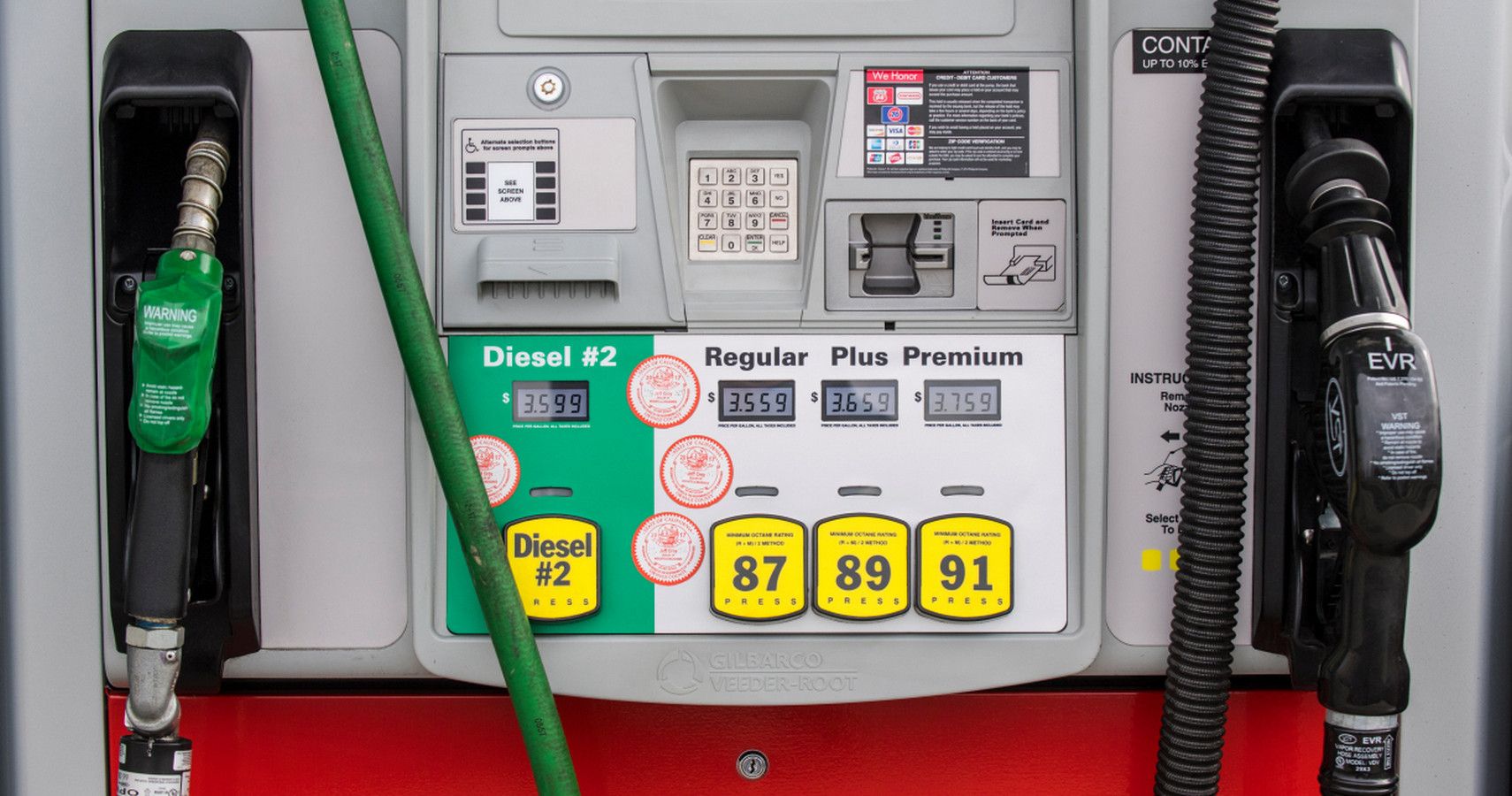
But the "for now" is doing a lot of work. Fuel costs have a habit of bleeding into other prices. Diesel, the fuel that powers freight trucks and farm machinery, is up roughly 70 per cent since the war began and unleaded petrol more than 45 per cent. Tom Kloza, an adviser at Gulf Oil, warned that the retail diesel record of $6.53 a gallon "could be topped by the midterms".
The war premium at the pump
The run-up in fuel is firmly tied to the war with Iran, which began in late February and has kept the Strait of Hormuz disrupted for months. Roughly a fifth of the world's oil and a large share of its liquefied natural gas flow through the strait, and the threat to tanker traffic has kept a war premium embedded in crude prices all year.
What it means for the Federal Reserve
Wednesday's report is the last CPI reading Fed officials will see before their October 27–28 meeting, and it lands just after the central bank raised interest rates in September for the first time in more than three years, lifting its benchmark to a range of 3.75 to 4 per cent. Futures traders responded by raising the odds of another hike at the October meeting to about 44 per cent, up sharply from before the release.
"The last mile back to target could remain bumpy and keep interest rates elevated," said Jeffrey Roach, chief economist at LPL Financial, arguing the report had complicated the central bank's decision.
Markets, mortgages and the dollar
Financial markets reacted at once. Stock futures turned negative and government borrowing costs climbed, with the yield on the benchmark ten-year Treasury up 0.08 percentage points to 5.3 per cent and the two-year yield rising 0.13 points to 4.92 per cent.


